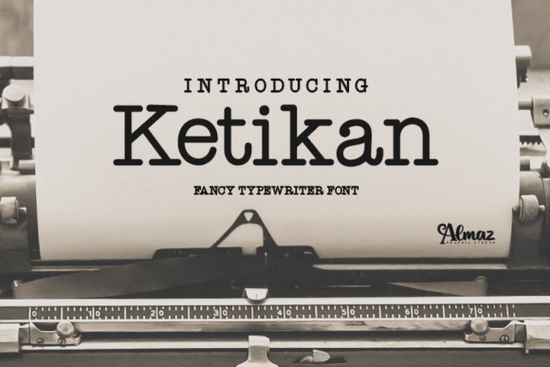
If you need a typeface that captures the raw, mechanical charm of a vintage machine without looking overly distressed, Ketikan Font delivers exactly that. It is a solid typewriter-style typeface that keeps the clean structure of classic office machines while adding subtle ink stains and uneven edges. Designers, crafters, and print-on-demand sellers often reach for this style when they want projects to feel handwritten, archived, or authentically retro. You can find Ketikan Font on Creative Fabrica, and it works smoothly across most design software and cutting machines.
What makes a typewriter font work for modern projects?
Typewriter typefaces survive trends because they carry instant recognition. The monospaced rhythm, slight imperfections, and mechanical weight signal authenticity. When you choose a font like this, you are not just picking letters. You are setting a mood. A well-crafted typewriter style avoids the trap of looking too grungy or too sterile. It strikes a balance where the ink bleed feels intentional, the spacing remains readable, and the overall shape stays clean enough for small print sizes. This matters when you are designing product labels, journal covers, or digital templates that need to look professional but still carry a handmade vibe.
Where does Ketikan Font fit best in your design workflow?
This typeface shines in projects that benefit from a grounded, archival look. Think branding for small coffee roasters, vintage-style event posters, or craft packaging that needs a tactile feel. Because the letterforms are solid rather than heavily textured, they cut cleanly on vinyl and print sharply on cardstock. Print-on-demand sellers often use this style for quote shirts, notebook covers, and sticker sheets where readability matters just as much as aesthetic. If you are building a collection that leans into darker, seasonal themes, you might also explore options like a moody display typeface to contrast with the mechanical rhythm of a typewriter style. For cleaner, more structured layouts, pairing it with a modern event lettering set can keep your hierarchy sharp.
How do you pair a vintage-style typeface with other fonts?
Monospaced or typewriter-inspired fonts carry strong visual weight, so pairing them requires a light touch. The goal is contrast without competition. Here is a simple approach that works across most design programs:
- Use it for headlines or short phrases. Long paragraphs in a typewriter style can strain the eyes, especially on screens.
- Pair with a clean sans serif for body text. The geometric simplicity balances the mechanical edges and keeps reading comfortable.
- Limit your palette to two or three typefaces. Adding a script or display font is fine, but keep it reserved for accents or signatures.
- Check spacing at different sizes. Typewriter fonts often need slight tracking adjustments when scaled down for labels or tags.
When you want to experiment with heavier display styles, a bold impact lettering option can work for main titles while the typewriter font handles subheadings. For sports or school-themed merchandise, swapping in a classic athletic lettering style alongside your vintage typeface creates a nostalgic locker-room aesthetic that sells well on apparel.
What should you check before using it for print or digital sales?
Licensing and technical setup are just as important as the visual match. Before you add any typeface to a client project or a downloadable template, run through these quick checks:
- Verify the commercial license covers your intended use, especially for print-on-demand or digital products.
- Install both the OTF and TTF files if available, and test them in your primary software to confirm glyph rendering.
- Run a test print at the actual production size. Ink spread and paper texture can change how the stained edges appear.
- Check special characters, punctuation, and numbers. Typewriter styles sometimes include alternate symbols that affect layout spacing.
If you prefer a more traditional slab serif approach with similar mechanical roots, browsing an older typewriter-inspired slab design can give you a useful comparison point. Different projects demand different levels of texture, and having a few reliable options in your library saves time when deadlines tighten.
Quick setup checklist before you start designing
Keep this short list handy when you add a new typewriter style to your workflow:
- Confirm license scope for commercial, POD, or client work
- Install fonts and restart your design software to avoid caching glitches
- Test uppercase, lowercase, numbers, and punctuation at 12pt, 24pt, and 48pt
- Adjust tracking by 5–10 units if letters feel too tight on dark backgrounds
- Export a sample PDF and print it on your target material before finalizing
Typewriter fonts work best when you let their imperfections do the talking. Keep your layout clean, give the letters room to breathe, and let the mechanical charm carry the mood. When you match the right typeface to the right project, the design feels finished without extra decoration.
Try It Free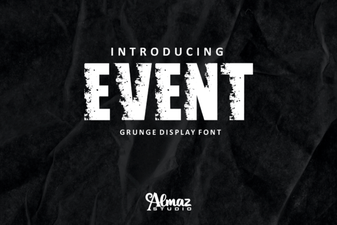 Creative Font Pairings for Event Design
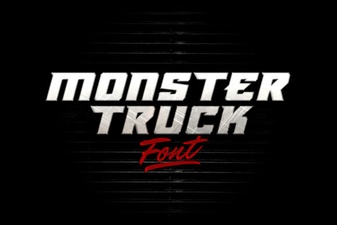 Typography Tools for Monster Truck Design Projects
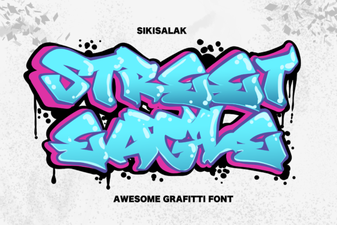 Street Eagle Font | Modern Graffiti Typography
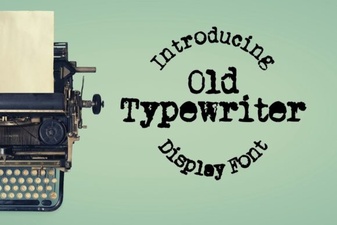 Designing with Vintage Typewriter Fonts
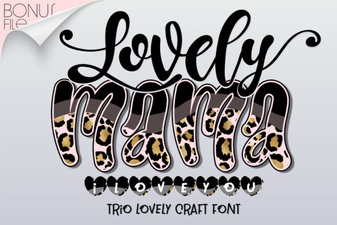 Crafting Heartfelt Messages with Lovely Mama Fonts
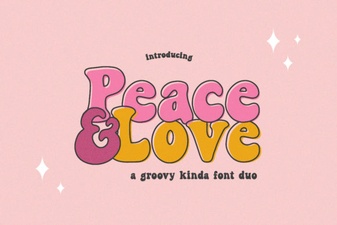 Peace & Love Fonts for Creative Design Projects