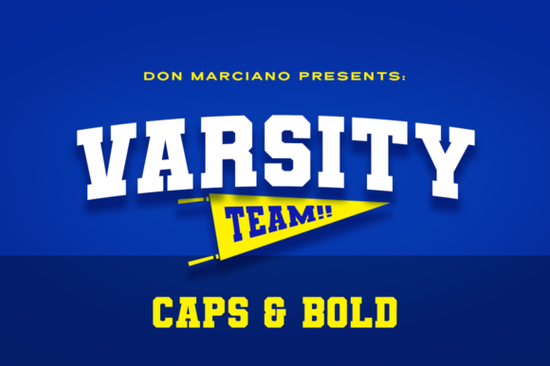
If you are looking for a typeface that captures energy without relying on cliché slant effects, Varsity Team Font delivers exactly that kind of straightforward confidence. The design pulls from classic American school aesthetics but trims away the heavy strokes, leaving behind a clean, high-impact display face that reads clearly at nearly any size. Crafters often grab it for weekend vinyl cuts, while small business owners prefer it for quick turnaround merch drops because the character shapes stay sharp even after rasterization or heat pressing. You will notice how the letters breathe naturally, which means your layout decisions never feel cramped or crowded.
What makes this style different from standard athletic lettering?
Traditional varsity typefaces usually stack heavy serifs, thick outlines, and exaggerated curves into a single dense shape. This version strips those extra layers down to the essentials. Each capital letter carries a solid geometric backbone with slightly rounded terminals, giving it a modern edge while keeping that nostalgic campus vibe intact. When you place it over a photograph or drop it onto a plain tee mockup, the type holds its own without demanding attention through gimmicks. Designers appreciate how the consistent stroke width creates rhythm across short phrases like team names, club slogans, or regional references.
Where should I test readability before committing to production?
Start by dropping your headline into a simple flat background and shrinking it down to one inch. If the letterforms remain distinct without bleeding together, you have a solid base. Look closely at corners and intersections; clean intersections prevent halftone artifacts during screen printing or DTG transfers. You can also compare it against other options if you are browsing multiple collections. For instance, checking out a relaxed retro style might remind you why cleaner geometry sometimes wins for everyday wearables. Meanwhile, exploring a structured slab serif could highlight how much lighter visual weight improves stacking order on busy layouts.
How do I pair this face with supporting graphics?
Balanced compositions thrive on contrast, so let the main headline carry the heavy lifting while supporting text stays strictly functional. Small sans-serifs work perfectly for dates, location details, or sponsor lines printed below the logo. Artists often add subtle line art, minimalist stars, or simple crest borders to frame the typography without competing for space. If your project leans toward seasonal events, swapping in a clean celebratory script for subheadings adds movement without cluttering the visual field. The same approach applies to themed nights; testing a moody alternate face alongside this primary type helps establish clear hierarchy between headline atmosphere and logistical information.
Is it practical for digital files and physical prints alike?
Most creators run into the same bottleneck when scaling vector artwork down to sticker sizes or blowing it up for trade show banners. This face handles both directions cleanly because the proportions were built with scalable spacing in mind. Export settings matter more than the font file itself, so always save your final press-ready artwork in PDF or SVG format with outlines converted. For e-commerce stores, generating multiple preview angles lets shoppers see how the typography performs on hats, mugs, and tote bags before checkout. When browsing additional resources, many creators cross-reference Varsity Team Font to check version history and licensing terms directly on the marketplace page. Keeping track of update notes prevents unexpected glyph replacements later in the workflow.
How can I streamline my repeat ordering process?
Consistent file management saves hours during peak seasons. Set up color-separated folders for each garment batch, label your cut files with date stamps, and keep a master layer structure that resets quickly between projects. Print-on-demand partners usually require transparent PNGs or flattened RGB layouts, so maintain a separate export folder dedicated to their upload portals. Pairing this face with a handwritten accent type works surprisingly well when you need to break up rigid grids without losing legibility on mobile screens. Running one final proof on the actual material substrate catches ink spread issues before they reach customers.
- Test your shortest phrase at half-inch scale to verify gap clearance
- Convert all outlines before uploading to printing platforms
- Keep a secondary lightweight type ready for contact details and disclaimers
- Export press-ready files in CMYK for professional shop runs and sRGB for digital ads
Try laying out a single campaign piece using only three elements: the bold headline, one supporting graphic, and a clean subtitle. Review the balance, shrink it down to thumbnail size, and adjust spacing until every layer serves a clear purpose. That disciplined approach keeps your branding consistent across every platform you publish.
Learn More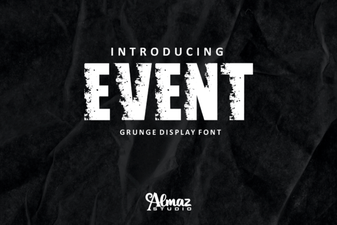 Creative Font Pairings for Event Design
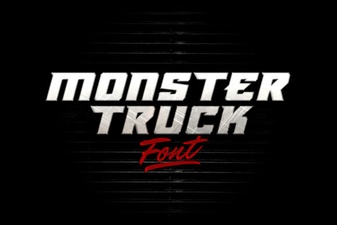 Typography Tools for Monster Truck Design Projects
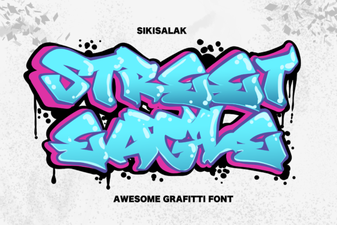 Street Eagle Font | Modern Graffiti Typography
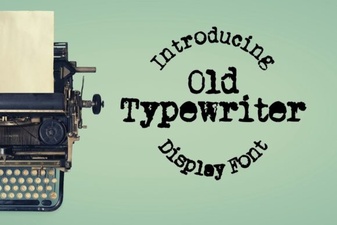 Designing with Vintage Typewriter Fonts
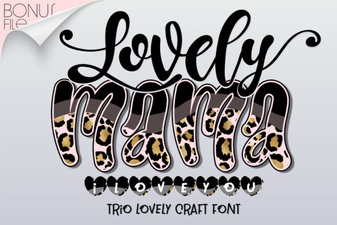 Crafting Heartfelt Messages with Lovely Mama Fonts
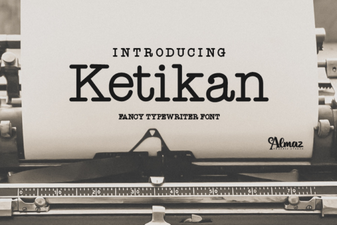 Artisanal Ketikan Font Design for Handmade Projects