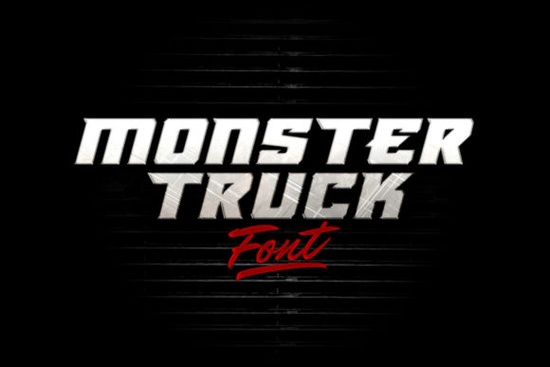
If you are designing posters, t-shirts, or digital decals that need instant energy, the Monster Truck Font delivers heavy impact without feeling cluttered. This bold display typeface mimics the rugged stance of off-road vehicles, making it ideal for sports branding, race team logos, and high-energy event graphics. Crafters who stitch custom apparel or sell vinyl stickers online will find its thick letterforms and sharp angles translate cleanly across cutting machines and heat presses. Small business owners looking to launch a quick seasonal collection can rely on its straightforward structure to stand out in crowded marketplaces. Hobbyists and independent illustrators often pair it with textured backgrounds to create standout album covers, podcast art, or limited-edition zine layouts.
Why does this typeface work best for racing and action projects?
The design relies on wide spacing and grounded proportions, which keeps heavy text readable even at small sizes. When you place it over a dark background or pair it with photographic textures, the letters maintain their shape rather than bleeding into the image. This makes the Monster Truck style particularly useful for thumbnail graphics, social media banners, and product mockups where attention spans are short. The modern slab-inspired terminals give it a contemporary feel while still referencing classic motorsport typography. You can scale it down for jersey numbers or blow it up for backdrop headers without losing edge. Test the baseline alignment against supporting graphics to ensure the bottom strokes do not clash with illustration lines or drop shadows.
How do you pair it with other fonts for balanced layouts?
Because the primary face carries so much visual weight, it needs lighter companions to prevent the composition from feeling top-heavy. Think about using a clean sans serif for secondary details like dates, sponsor names, or website URLs. A script or handwritten option works well when you want to soften the overall message, especially for community events or family-friendly races. If you are building a full brand system, look for resources that offer complementary styles, such as the vintage options found in our slab serif collection for a retro badge aesthetic, or check out more relaxed scripts like the gentle curves in the peace and love font selection to contrast the aggressive main headline. For softer personal projects, you might also browse the mama and children themed display fonts when transitioning from tough exterior themes to warm interior messaging. Mixing these approaches keeps your catalog from feeling repetitive and gives customers variety across seasons.
What files do you get and how fast can you use them?
Most creators receive standard OpenType and TrueType packages that support ligatures, swashes, and alternate characters. These formats open directly in Adobe Illustrator, Affinity Designer, Cricut Design Space, and Silhouette Studio without conversion hurdles. When setting up vector shapes for cutting mats, flatten text outlines before exporting SVG files to ensure consistent kerning across different operating systems. Keep a master template with safe zones around the edges; this prevents crops from trimming the outer strokes during screen printing or DTG transfers. Testing your artwork on a low-resolution screen first helps catch awkward gaps before committing to physical materials. Always save a layered PSD or AI version alongside your export so you can tweak spacing later without redrawing.
Can you use it for commercial merchandise without legal issues?
Creative Fabrica typically provides a commercial license that covers digital products, printed goods, and promotional materials, but you should always verify the specific terms attached to your account tier. The agreement generally allows unlimited prints for physical resale while restricting direct resale of the raw font file itself. POD platforms like Etsy, Amazon Merch, and Printful accept text-based designs without extra approval steps, provided the final artwork is significantly modified through layout, color changes, or added graphics. Many sellers apply a subtle gradient overlay or combine multiple layers to create unique asset files that comply with marketplace content policies. Keep a screenshot of your current license confirmation near your export folder; some review teams request proof of usage rights during dispute processes.
What other styles should you explore when you need different moods?
Not every project requires high-octane energy. Sometimes a quiet evening or a spooky seasonal campaign calls for completely different character. When you are preparing autumn decorations or horror-themed party supplies, explore atmospheric choices like the haunted night display font to set a chilling tone without relying on complex illustrations. For structured announcements, consider the clear hierarchy options available in our event focused display fonts to keep registration details and schedules legible at a glance. Using these alternatives ensures your shop remains cohesive while still offering distinct visual identities for different product lines.
Your next production checklist
- Export all text elements as vectors before uploading to POD dashboards.
- Add a secondary lightweight typeface for dates, prices, and contact info.
- Run a print proof on plain paper to check stroke width against your material texture.
- Save separate colorways in CMYK for offset runs and RGB for digital ads.
- Review the current license dashboard to confirm retail versus digital distribution limits.
Start by drafting three layout variations, pick the one that maintains readability on mobile screens, and schedule a weekend production run. Adjust spacing manually if the auto-kerning tightens certain letter pairs too closely, then lock your layers and back up the original working file before sharing with printers.
Explore Design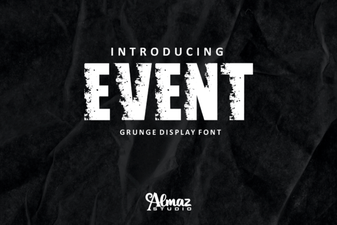 Creative Font Pairings for Event Design
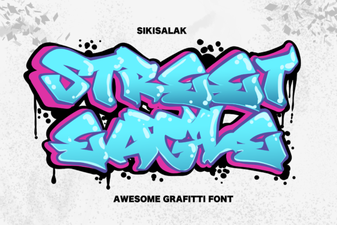 Street Eagle Font | Modern Graffiti Typography
 Designing with Vintage Typewriter Fonts
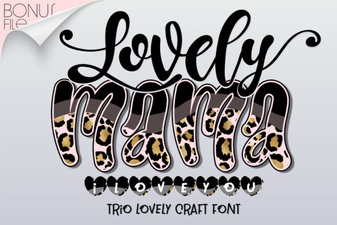 Crafting Heartfelt Messages with Lovely Mama Fonts
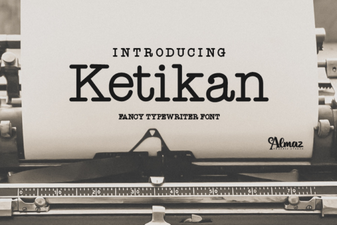 Artisanal Ketikan Font Design for Handmade Projects
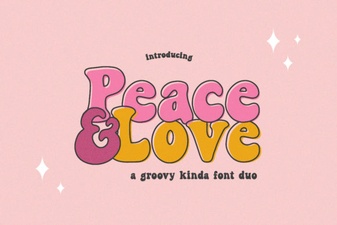 Peace & Love Fonts for Creative Design Projects