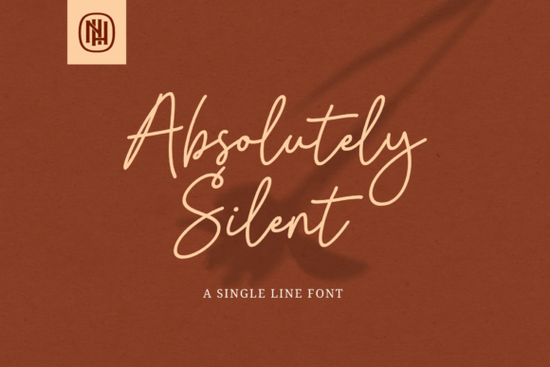
If you need a clean, single-line handwritten typeface that cuts smoothly and reads clearly at small sizes, Absolutely Silent Font delivers exactly that. It skips heavy swashes and complicated ligatures, giving you a straightforward script that feels personal without sacrificing legibility. Designers, crafters, and print-on-demand sellers often choose this style when they want a handmade look that behaves predictably in cutting software.
What makes a single-line handwritten typeface practical for everyday projects?
Single-line fonts use a consistent stroke weight instead of thick and thin contrasts. This structure keeps vinyl cutters and laser engravers running smoothly, which makes weeding much faster. When you are producing custom tumblers or holiday cards, that consistency saves time and reduces material waste. Most cutting programs render single-line paths more accurately when you convert the text to outlines first, which locks in spacing and prevents unexpected shifts when you switch computers. If you want to explore similar options, you can browse the full collection of minimalist script typefaces to compare character widths and baseline alignment.
The refined letterforms also help when you work with limited space. Many handwritten fonts blur when scaled down for product tags or jewelry stamps. Because these characters stay open, you can shrink the text for small labels without losing readability. For seasonal items that need extra warmth, some makers switch to a festive handwritten alternative with more loops, but this cleaner style works year-round for everyday branding.
Which design tasks actually benefit from this refined style?
This typeface works best when you want a conversational tone that still looks professional. It performs reliably across several common workflows:
- Print-on-demand apparel: Short phrases on shirts stay crisp with heat transfer vinyl or direct-to-garment printing.
- Small business packaging: Thank-you cards and sticker seals get a polished look without visual clutter.
- Digital templates: Invitation layouts maintain clear hierarchy when readability matters most.
- Machine embroidery: Uniform strokes digitize cleanly, reducing thread breaks and dense stitch piles.
Dark ink on light materials usually shows the thin strokes best, but if you are working with transparent vinyl or frosted acrylic, bump up the font size by two or three points to maintain contrast. If you find that some single-line designs feel too rigid for your brand, checking out a continuous line script option can help you compare how different pen simulations change the overall mood.
How do you pair it without making the layout look crowded?
Handwritten typefaces rarely mix well with other scripts. Combine this font with a basic sans-serif for supporting text. Let the script handle the main headline, and reserve the secondary font for dates, addresses, and fine print. Keep a clear size gap so the visual hierarchy feels intentional.
Spacing is just as important as font selection. Single-line designs need extra breathing room between words. Bumping the tracking up by ten percent usually prevents cramped letters on curved items like mugs or hats. Pay attention to automatic kerning pairs, since some design programs tighten specific letter combinations too aggressively and cause overlapping cuts. When building a brand kit, you might test a clean modern script alternative to see how different x-heights interact on the same page. For layouts that need a subtle accent, some designers sprinkle in a light decorative script for one or two words only.
What should you verify before adding it to your workflow?
Run a quick compatibility check before committing to any new typeface. Confirm the download includes .OTF or .TTF files, which install directly on your computer and sync with standard design software and cutting machine apps. If you plan to sell physical goods or digital templates, read the commercial license terms carefully. Marketplaces separate personal and commercial rights, and some platforms require an extended license for template sales or high-volume production.
Quick setup checklist before you start designing:
- Install the font file and restart your software so it registers correctly.
- Type a full alphabet plus numbers to check for missing glyphs or awkward spacing.
- Add slight word spacing if cutting from adhesive vinyl or heat transfer material.
- Pair with a plain sans-serif for body text, reserving the script for headlines.
- Verify the commercial license covers your specific sales channel and production volume.
Run a small test cut on your actual material, adjust the tracking if needed, and you will have a reliable, clean script ready for your next production run.
Explore Design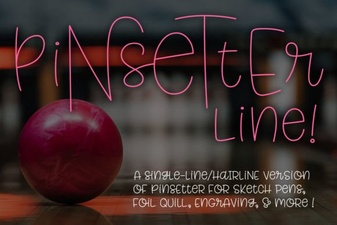 Single Line Fonts for Creative Design & Typography
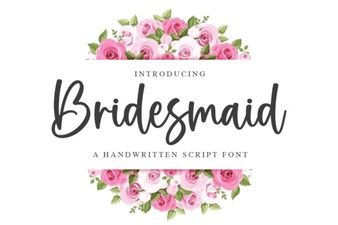 Bridesmaid Font Ideas for Wedding Projects
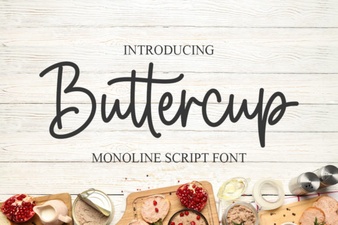 Discover the Charm of Buttercup Font for Design
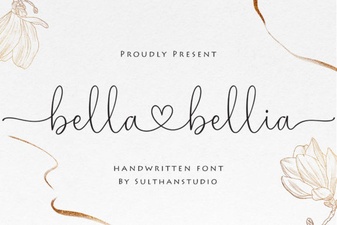 Bella Bellia Font: Elegant Design for Creative Projects
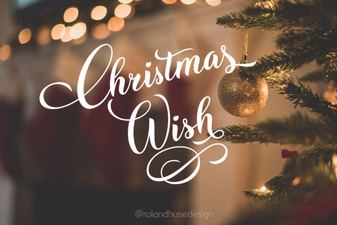 Christmas Fonts for Your Holiday Card Wishes
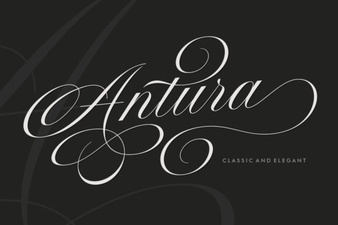 Antura Font: a Creative Typography Tool