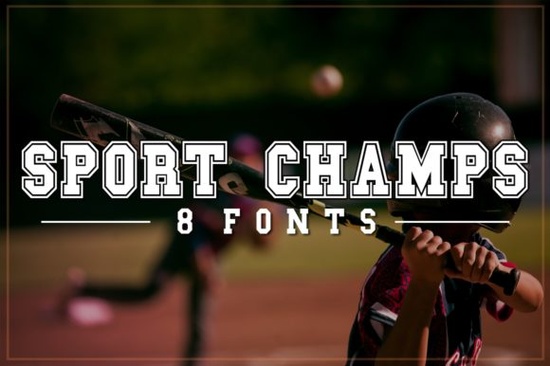
If you are designing game day apparel, custom team gear, or playful athleisure prints, the Sports Champs Font gives you exactly the rugged yet approachable look you need without starting from scratch. Instead of juggling multiple heavy block typesets, this single pack delivers eight distinct variations, with six built specifically around major athletic scenes. You get instant consistency across your collection while keeping each design tied to its actual sport.
Why does sport-specific lettering improve merch conversion?
Generic bold lettering works for general announcements, but customers buy into authenticity. When a pitcher’s stance influences the curve of a golf style, or when a crossed-club silhouette sits behind the wordmark for baseball graphics, shoppers immediately recognize the theme. This visual shorthand shortens decision time on listing pages and helps small boutiques stand out during peak seasons like spring tournaments or fall playoffs. The decorative edges also carve cleanly into vinyl, making it straightforward for sublimation printers and laser engravers.
How do the six athletic styles break down?
- Baseball: Curved caps and stitched borders work perfectly for tees and cooler covers.
- Football: Heavy slabs with shoulder-pad accents handle team names and trophy plates without losing legibility.
- Soccer: Clean diagonal cuts mimic stadium banners, ideal for water bottles and pitch signage.
- Basketball: Angular crossbars suit court graphics and tournament bracket cards.
- Golf: Refined arches pair well with course maps and membership pins.
- Volleyball: Dynamic swoops translate smoothly to headbands and gym wall decals.
Each variation shares the same underlying skeleton, so you can switch sports mid-design without breaking visual harmony. That trait saves hours when managing bulk orders for multi-sport leagues or seasonal school programs.
What happens when you pair this pack with complementary typefaces?
The strongest layouts rarely rely on a single style. Designers often balance chunky athletic lettering with lighter scripts or structured sans-serifs to guide the eye toward dates and sponsor logos. If you want to maintain a cohesive vintage feel while exploring other decorative options, browsing a carefully curated decorative font collection reveals matching stroke widths and period details. For softer contrast against rough sports textures, sliding in a delicate monogram character set adds elegance to boutique merch like baby onesies, teacher awards, or wedding guest books that share an athletic theme.
Spacing matters more than most sellers realize. Because these glyphs carry built-in ornaments, leaving at least two pixels of negative space between overlapping characters prevents bleed-through during heat press transfers. Test your kerning at 72 dpi for screen mockups, then scale to 300 dpi or export as SVG for direct-to-garment routes.
Which commercial licenses cover typical craft workflows?
Most independent creators purchase individual accounts that permit unlimited personal drafts and a set number of physical sales units per year. Always verify whether your intended output falls under digital download rights, physical resale limits, or subscription tiers. Checking official terms before launching a shop prevents sudden fee adjustments. You can verify current usage allowances by visiting the Sports Champs Font licensing page directly, since platform policies update regularly to match regional copyright standards.
How do you prepare files for reliable print production?
- Outline every glyph before sending to a printer, even if your editor claims auto-tracing is safe.
- Check ornament overlap zones with built-in snap guides; clip stray nodes outside the bounding box.
- Run a low-cost test print on matte transfer paper to catch ink spread before committing to bulk fabric runs.
- Save alternate colorways early, because seasonal shifts change buyer expectations quickly.
Sticking to these steps keeps your turnaround tight and reduces customer complaints about warped edges. Hobbyists and studio owners alike benefit from treating typography as a manufacturing step rather than an afterthought.
Your immediate next steps
- Select one sport that matches your current season.
- Import the glyph set into your design software and outline all paths.
- Adjust tracking to prevent ornament collisions during cutting.
- Export a print-ready SVG and run a single test piece.
- List the finished design with realistic mockups and clear care instructions.
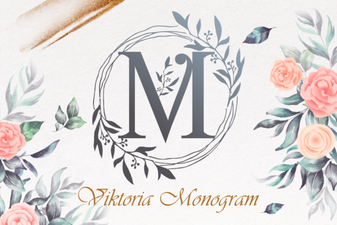 The Viktoria Monogram Font for Your Creative Projects
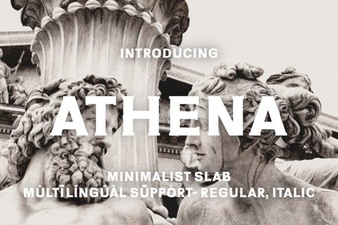 Athena Font: Elegant Typography for Modern Design
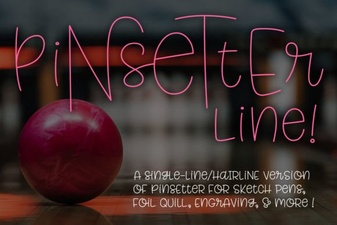 Single Line Fonts for Creative Design & Typography
 Creative Font Pairings for Event Design
 Radtrad Font: Creative Uses & Design Tips
 Bridesmaid Font Ideas for Wedding Projects