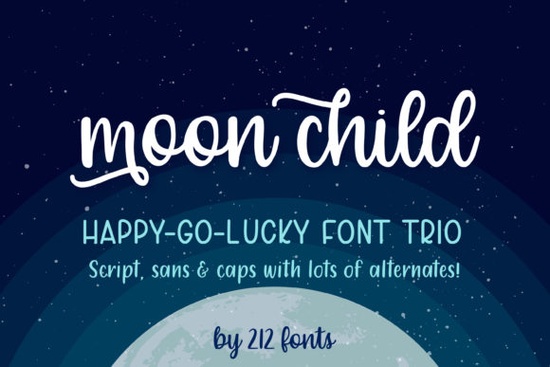
If you need a reliable handwritten typeface that brings warmth to both print and digital layouts, the Moon Child Font handles everyday creative tasks without forcing a stiff look. The package gives you a flowing script, a clean sans serif, and a block capital version, all built to share the same visual rhythm. That trio covers everything from delicate bridal stationery to bold craft show signage, so you spend less time hunting for matching letters and more time finishing files.
What makes this typeface stand out for handmade and digital projects?
Hand-lettered type often struggles with consistency when stretched for large prints or shrunk for social thumbnails. This family solves that by keeping stroke weight and x-height balanced across all three styles. The script carries natural pen movement while staying readable at small sizes. The sans version strips away flourishes for menu boards, price tags, or label stickers where clarity matters. The capitals add structure for headers, watermarks, or packaging bands. Because they share baseline spacing, you can layer them without fighting mismatched metrics.
How do the three styles work together?
Treat each style as a distinct tool rather than a standalone replacement. Use the script for names, dates, or signature lines. Switch to the sans for body copy, instructions, or legal disclaimers. Bring in the caps for section titles or brand stamps. Many crafters reserve the script for front-facing cards, then place the sans underneath for ingredient lists. The caps version works well as a subtle background texture or a repeated pattern strip. Pairing them keeps your project looking cohesive instead of combining three unrelated handwriting specimens.
Where does this handwritten style fit best in your workflow?
Designers usually drop this family into invitation suites, shower game sheets, or thank-you tags. Print-on-demand sellers leverage the full set for sticker sheets, journal covers, and apparel tees that ask for a personal touch. Small business owners find the sans and caps versions useful for storefront windows or product packaging where customers scan quickly. Hobbyists who host crafting workshops appreciate the clear letterforms during live demonstrations. If you frequently browse bridesmaid font script collections, you will notice how easily this typeface slots into traditional bridal palettes. For quieter, minimalist stations, the same approach pairs nicely with options from soft script compilations. When you need something slightly brighter, checking pastel-inspired script sets helps you maintain a consistent mood across an entire event.
What should I verify before committing to commercial use?
Licensing terms change between platforms, so always confirm your intended distribution channels before printing bulk runs. The download includes OpenType and TrueType variants, covering Adobe Creative Cloud, Affinity, Canva, and direct export workflows. Test your favorite combinations at actual print sizes rather than relying on tiny screen previews. Run short paragraphs through the sans version to catch tight kerning pairs, then apply the script only to headlines. Keep a master layout with tracking adjusted consistently, because handwritten families react differently to wide spacing. If you plan to sell physical products, leave enough margins around the letters so cutting machines do not clip sharp terminals. For official licensing details and update notes, visit the Moon Child Font resource page.
Quick setup checklist for your next design sprint
- Verify your license tier matches the number of end products you expect.
- Install all variants and organize them in a single folder named after the family.
- Set up style sheets with preset weights, colors, and spacing values.
- Proofread at 100% zoom before exporting, since handwritten curves can render unevenly when compressed.
- Archive source files with linked fonts embedded so future revisions open correctly.
Next step: Open a blank canvas, paste a short draft using the sans version, then overlay the script on the opening line. Adjust vertical rhythm until the two sit flush without crossing lines, export a high-resolution test print, and compare it against your original mockup before scaling production.
Explore Design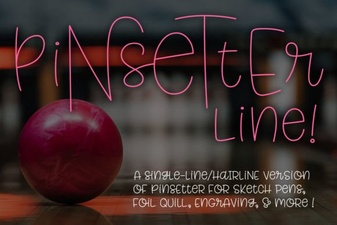 Single Line Fonts for Creative Design & Typography
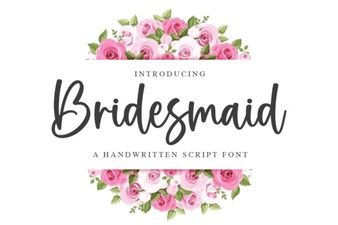 Bridesmaid Font Ideas for Wedding Projects
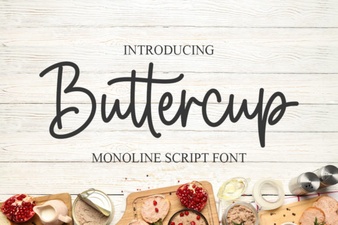 Discover the Charm of Buttercup Font for Design
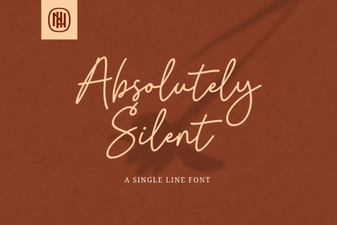 Choosing Fonts for Quiet, Minimalist Design
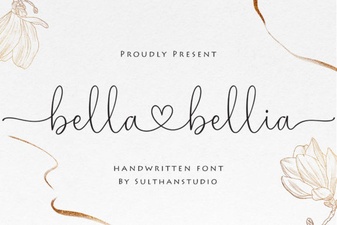 Bella Bellia Font: Elegant Design for Creative Projects
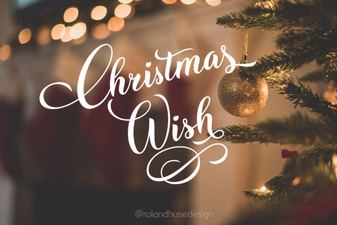 Christmas Fonts for Your Holiday Card Wishes