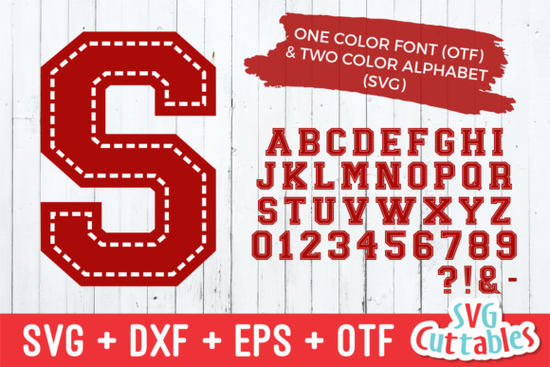
If you need a typeface that stands out without shouting, JP Sport Stitch Font delivers a clean, heavy slab serif style that reads well on both screen and print. Designers, crafters, and print-on-demand sellers often look for fonts that hold up at small sizes while still making a statement on shirts, packaging, or event posters. This one leans into thick strokes and sturdy letterforms, which means it stays legible even when you shrink it for product labels or scale it up for banners. You can review how the character spacing behaves across different sizes before deciding if it matches your current workflow.
What makes this slab serif work for everyday projects?
Slab serifs are known for their blocky feet and even stroke width, and this design leans into that structure without feeling rigid. The letters carry a sporty, stitched aesthetic that gives handmade projects a polished vibe while keeping the professional finish needed for client work. If you run a small shop or create digital templates, you will notice how the consistent spacing reduces manual kerning. That saves time when you are laying out quotes, team names, or seasonal flyers. The bold weight also prints cleanly on cotton, cardstock, and adhesive vinyl, which matters when you are cutting files for a desktop plotter or preparing mockups for an online storefront.
Where does it fit best in your design workflow?
Not every font belongs in every file, and knowing where to place this one will keep your layouts balanced. It works well for:
- Short headlines on packaging, hang tags, or thank-you cards
- Team apparel, club logos, and tournament brackets
- Greeting cards that need a strong opening line
- Presentation slides where readability matters from the back of the room
Because the characters are heavy, it is better suited for titles rather than long paragraphs. When you need a reliable secondary typeface, you might explore other slab serif options that pair smoothly with heavier display fonts. Keeping your hierarchy clear prevents the design from feeling crowded or difficult to scan.
How to pair it without overwhelming your layout?
Heavy fonts demand breathing room. Start by setting your line height slightly higher than usual, and leave generous margins around the text block. For body copy, choose a light sans serif or a simple geometric font that does not compete for attention. Limit your color palette to two or three shades, and let the typeface carry the visual weight. If you are designing for print-on-demand, test your artwork at 300 DPI on a dark and light background before uploading. Small adjustments in tracking often make the difference between a polished product and a rushed one. You can also review JP Sport Stitch Font to see how other creators apply it across different mediums and merchandise types.
What should you check before downloading?
Font files vary in what they include, so a quick review saves headaches later. Look for:
- Commercial licensing terms that match your shop model and sales volume
- File formats like OTF and TTF for compatibility with your preferred software
- Glyph coverage for punctuation, numbers, and basic accents
- Installation instructions for Windows, Mac, or cloud-based design apps
If you plan to sell physical goods or digital templates, verify that the license covers merchandising and client work. Some creators overlook multilingual support until a customer requests a special character. Testing the font in your preferred program before committing to a full layout helps you spot missing glyphs or spacing quirks early. When exporting for cutting machines, convert your text to outlines or paths so the blade follows the exact letter shape without substitution errors.
How do you keep files organized for future projects?
Consistent file management prevents version conflicts and saves time when you revisit old designs. Create a dedicated folder for licensed typefaces, and keep a simple text file noting the purchase date, license type, and allowed uses. When you share project files with a team or a printer, embed the font or export a flattened PDF to avoid missing typeface warnings. Naming your layers clearly and grouping text elements separately from graphics makes edits faster down the line. A tidy workspace reduces stress and keeps your production schedule on track.
Before you move forward, run through this quick setup list:
- Install the OTF or TTF file and restart your design software
- Type a sample headline at 72pt and check spacing on screen
- Print a test sheet on your target material to verify ink coverage
- Pair it with a lighter secondary font and adjust line height
- Save a style preset so your team can reuse the settings consistently
Keep your text short, give it room to breathe, and let the sturdy letterforms do the heavy lifting. When you match the right font to the right project, the design process moves faster and the final result looks intentional.
Explore Design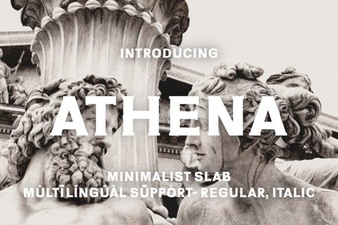 Athena Font: Elegant Typography for Modern Design
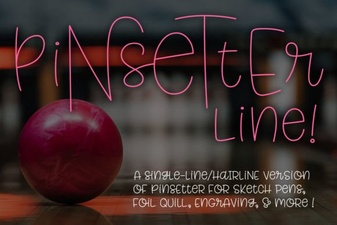 Single Line Fonts for Creative Design & Typography
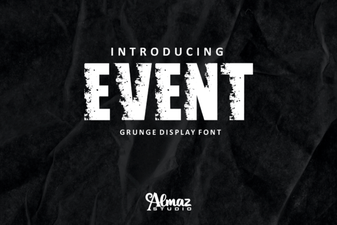 Creative Font Pairings for Event Design
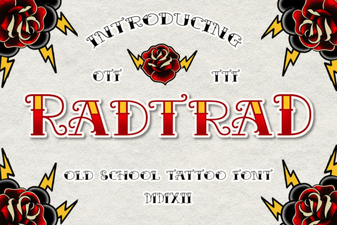 Radtrad Font: Creative Uses & Design Tips
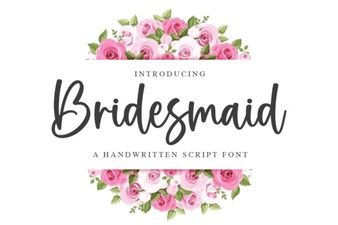 Bridesmaid Font Ideas for Wedding Projects
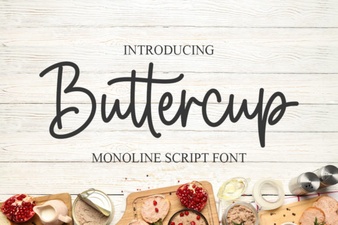 Discover the Charm of Buttercup Font for Design