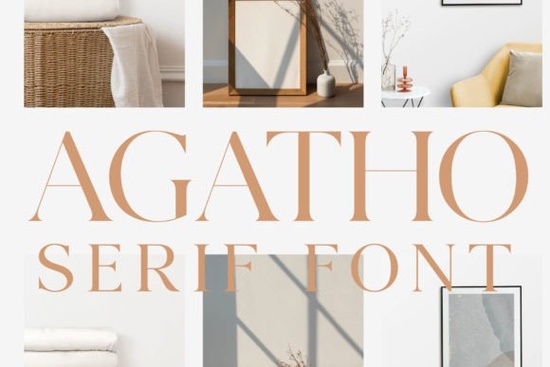
If you are looking for a clean, sophisticated typeface that performs well across both digital and print projects, Agatho Font fits that requirement without demanding extra effort. This thin-lettered serif design brings a modern editorial feel to any layout while keeping the weight light enough for delicate applications. Whether you are drafting wedding stationery, preparing mockups for a print-on-demand store, or updating a small business website, this typeface delivers consistent readability without feeling visually heavy. Many independent creators select it because the letterforms balance structure with approachability, making it straightforward to pair with bolder display fonts or minimal sans serifs. When you install it and test basic kerning pairs, you will quickly notice how well it handles long headlines and short body text alike.
Why does a thin serif typeface work better for certain projects?
Light serif typefaces reduce visual clutter, which makes them ideal when your composition already contains strong imagery or complex backgrounds. The fine stroke contrast adds character without competing for attention. Crafters often use these lighter weights for monogram embroidery templates because the narrow proportions translate cleanly to fabric and vinyl. Small business owners appreciate the same trait when designing price tags or shipping labels where space is limited. The open counter shapes inside letters like a, e, and s keep information legible even when printed at smaller sizes or scaled down for mobile screens. This combination of elegance and efficiency explains why many designers keep this category in their default toolkit.
Which industries actually benefit from elegant serif lettering?
Serif designs carry historical associations with trust and tradition, yet modern cuts strip away the vintage weight that can slow down contemporary layouts. Wedding planners rely on thin serifs to convey romance and refinement when formatting invites, place cards, and menu inserts. Fashion retailers apply them to lookbooks and seasonal drop announcements because the crisp strokes mirror minimalist clothing lines. News platforms and digital publishers use similar typefaces for bylines and pull quotes to separate editorial voice from standard copy. If you want to explore alternative style directions, checking out a bold fantasy-inspired serif can show you how much weight shifts the entire mood. Meanwhile, visiting a dedicated showcase page helps you see how other creators have applied the original cut across real client projects.
How do I compare this cut with other premium typefaces before purchasing?
Raster previews and vector samples give you a baseline, but testing the actual font file reveals spacing quirks, fallback behaviors, and weight distribution across your operating system. Open the package and run a quick typographic stress test. Type out common ligature combinations, check how numbers align in financial tables, and verify punctuation placement against your preferred baseline grid. Pay attention to how the thin strokes render when exported for screen or heat-pressed onto garments. Some designers prefer to preview multiple families side by side to confirm they share compatible x-heights and cap heights. When you finally settle on a final selection, you can easily locate the official product listing through a direct search at Agatho Font. Reviewing the included glyphs, license terms, and support notes before installation saves time during later production phases.
What quick checks prevent rendering issues during final output?
- Verify that all text boxes use the correct variable weight before exporting to PDF or PNG formats.
- Set a minimum point size that keeps thin strokes visible on lower-resolution printing setups.
- Run a contrast check against background colors to maintain WCAG accessibility standards.
- Embed font files in your document or convert outlines only when vector editing software requires it.
- Test color separations if you plan to send artwork to commercial offset printers.
Where should I look next to round out my type collection?
Building a balanced typography library means mixing purpose-driven cuts rather than collecting similar styles. Add a sturdy display font for main headlines, pair a clean geometric sans for interface elements, and keep a versatile mono spaced typeface for technical notes or data presentation. Keep a simple style guide that records hex codes, sizing ratios, and approved pairing combinations. This habit reduces decision fatigue during tight deadlines and ensures your branding stays consistent across social posts, packaging, and storefront banners. Start by organizing your installed libraries into folders named after project types, tag your favorites with consistent metadata, and archive older versions before they clash with new exports.
Explore Design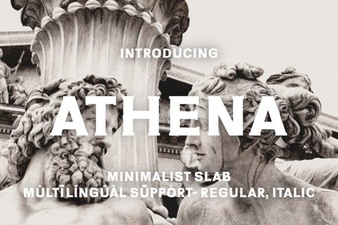 Athena Font: Elegant Typography for Modern Design
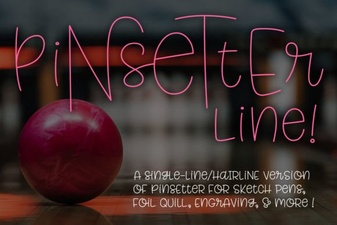 Single Line Fonts for Creative Design & Typography
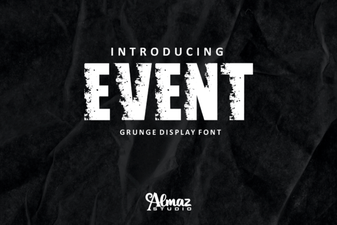 Creative Font Pairings for Event Design
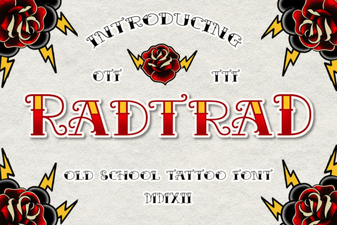 Radtrad Font: Creative Uses & Design Tips
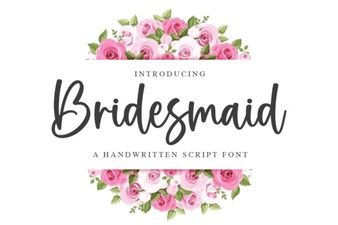 Bridesmaid Font Ideas for Wedding Projects
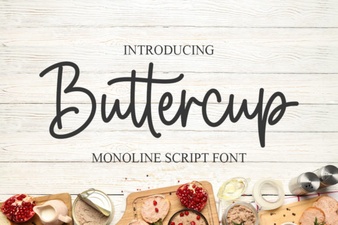 Discover the Charm of Buttercup Font for Design